PTFE Polytetrafluoroethylene
PTFE (polytetrafluoroethylene) is a fluoropolymer known for low friction and chemical resistance. It is used in seals, gaskets, and insulating components. Mechanical and thermal behavior varies with filler, grade, and service conditions.
Melting temperature is not a continuous operating temperature. Consult the catalog service values and confirm the supplied grade’s datasheet. A USP Class VI reference alone does not establish suitability for implants.
Technical Specifications
Catalog reference values. Confirm the grade, test method, and operating conditions against the supplier datasheet before specifying the material.
Features
- Low friction
- Non-stick surface
- Electrical insulation
- Natural and filled grades by inquiry
Applications
Available Forms & Sizes
| Form | Dimensions | Color |
|---|---|---|
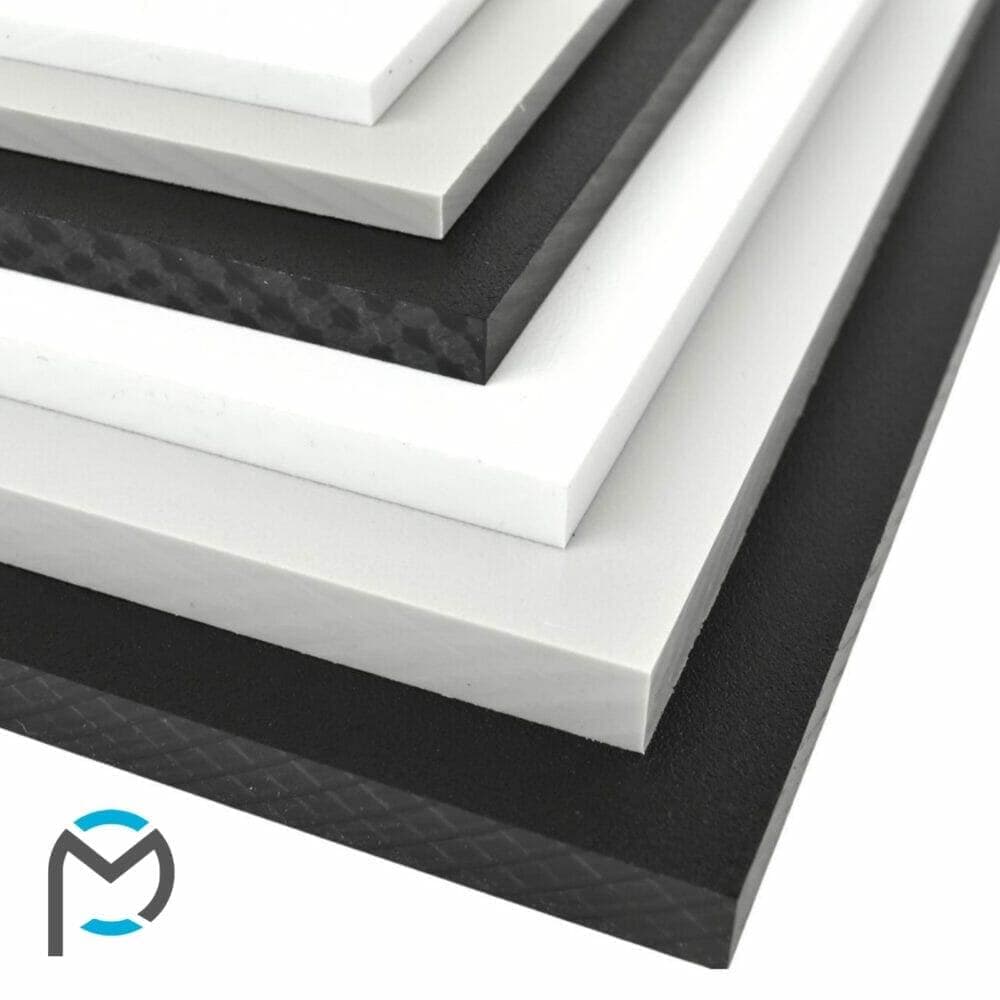
| Round rod | Ø6–300 mm × 300–1000 mm | White |
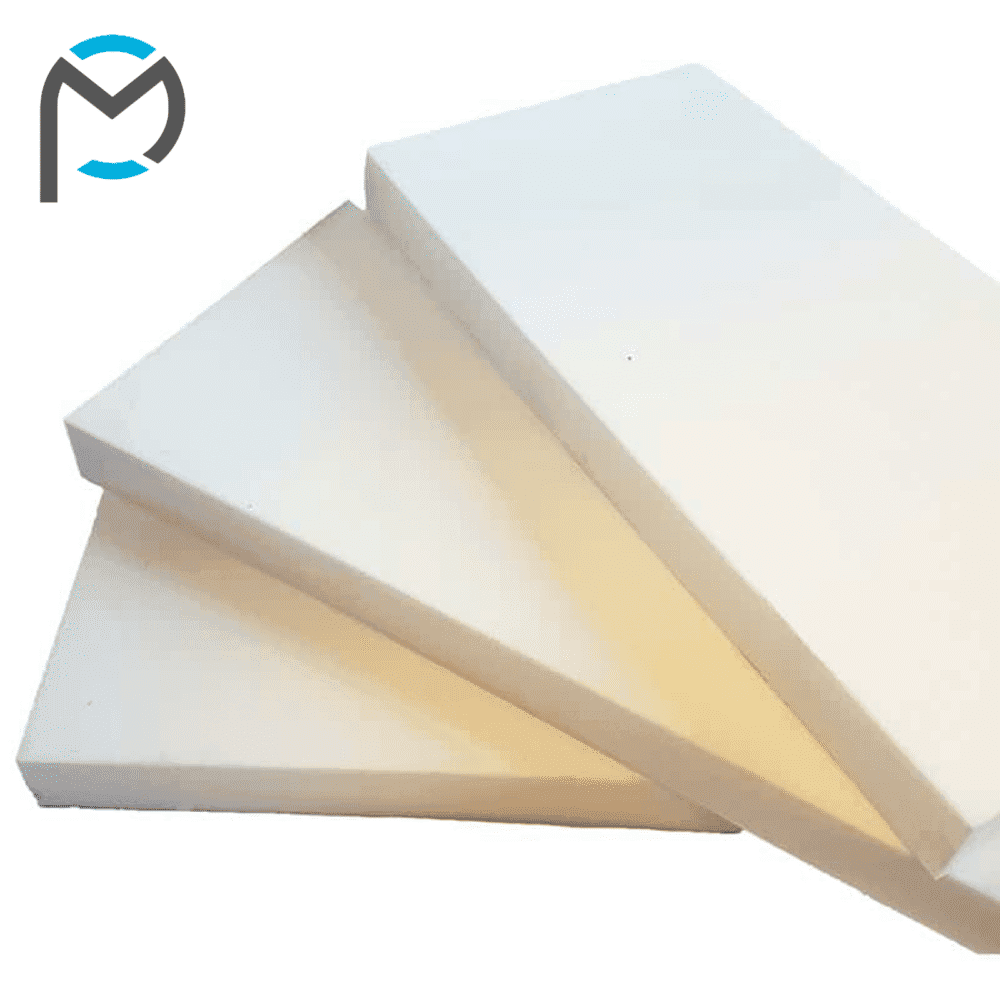
| Plate | 300 × 300 mm to 1200 × 1200 mm | White |
| Tube | Various wall thicknesses | White |
| Rod / plate | Various sizes | Beige |
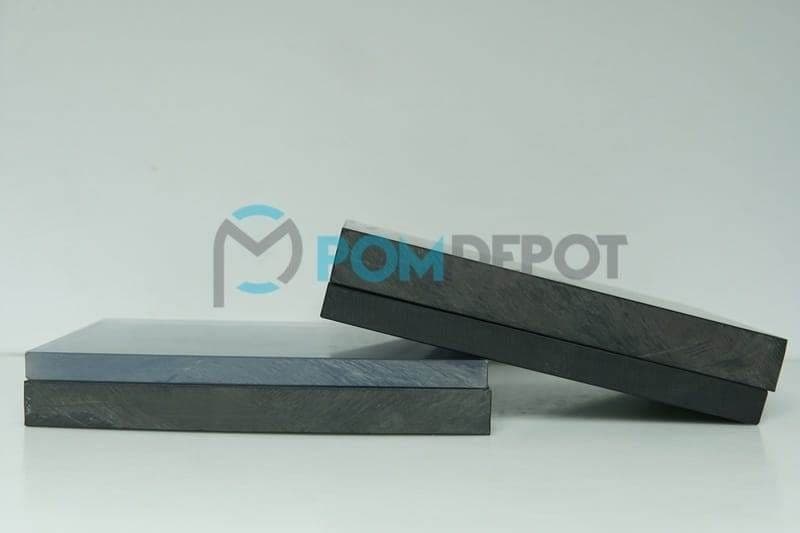
| Rod / plate | Various sizes | Black |
| Rod / plate | Various sizes | Bronze |
Processing & Machining Notes
The catalog notes that PTFE is soft and can deform under clamping pressure. It describes machining sintered shapes and warns that the chips are slippery.
General catalog guidance. Cutting, cooling, and heat-treatment parameters need validation for the specific grade and part.
Standards and documentation to confirm
These catalog references do not certify every grade or batch. Request the supplied grade’s document and application scope, especially for food contact, medical use, or ESD protection.
View supporting documentsQuestions about this material
What is PTFE and what is it used for?
PTFE for seals, gaskets, low-friction parts, and electrical insulation. Confirm the natural or filled grade’s properties before selection.
What continuous service temperature does the catalog list for PTFE?
The catalog lists -270 to +260 °C for continuous service of PTFE. This is distinct from melting temperature; confirm the grade’s limit and operating conditions with the supplier.
What industries use PTFE?
PTFE is used in: Industrial seals and gaskets, Valve components, Electrical insulation, Process-equipment parts.
How do you machine PTFE?
The catalog notes that PTFE is soft and can deform under clamping pressure. It describes machining sintered shapes and warns that the chips are slippery.
What documentation should I confirm for PTFE?
The catalog references: FDA (food contact), USP Class VI (biocompatibility), ASTM D4894/D4895, RoHS. Request documentation for the supplied grade and batch, and confirm its scope before specifying the material.
What forms and sizes is PTFE available in?
PTFE is available in: Round rod, Plate, Tube, Rod / plate. Custom dimensions available on request.
What is the density of PTFE?
The density of PTFE is 2.15–2.20 g/cm³. This value is important for calculating machined part weight.